
Two Types of Fat – An Enormous Difference
Most people know white fat – the kind stored on hips, belly, and thighs. But the body also has another type of fat tissue: brown fat (BAT – Brown Adipose Tissue), which behaves completely differently.
Brown fat burns calories instead of storing them. And it's activated by cold.
What Is Brown Fat?
Brown fat is rich in mitochondria (hence its dark colour) and specialised in thermogenesis – heat production directly from fat burning. It acts as the body's built-in heating element:
In infants it makes up ~5% of body weight (critical for temperature regulation)
In adults it's found in smaller amounts around the neck, collarbone, and spine
It's specifically activated by cold and beta-3 adrenergic receptors
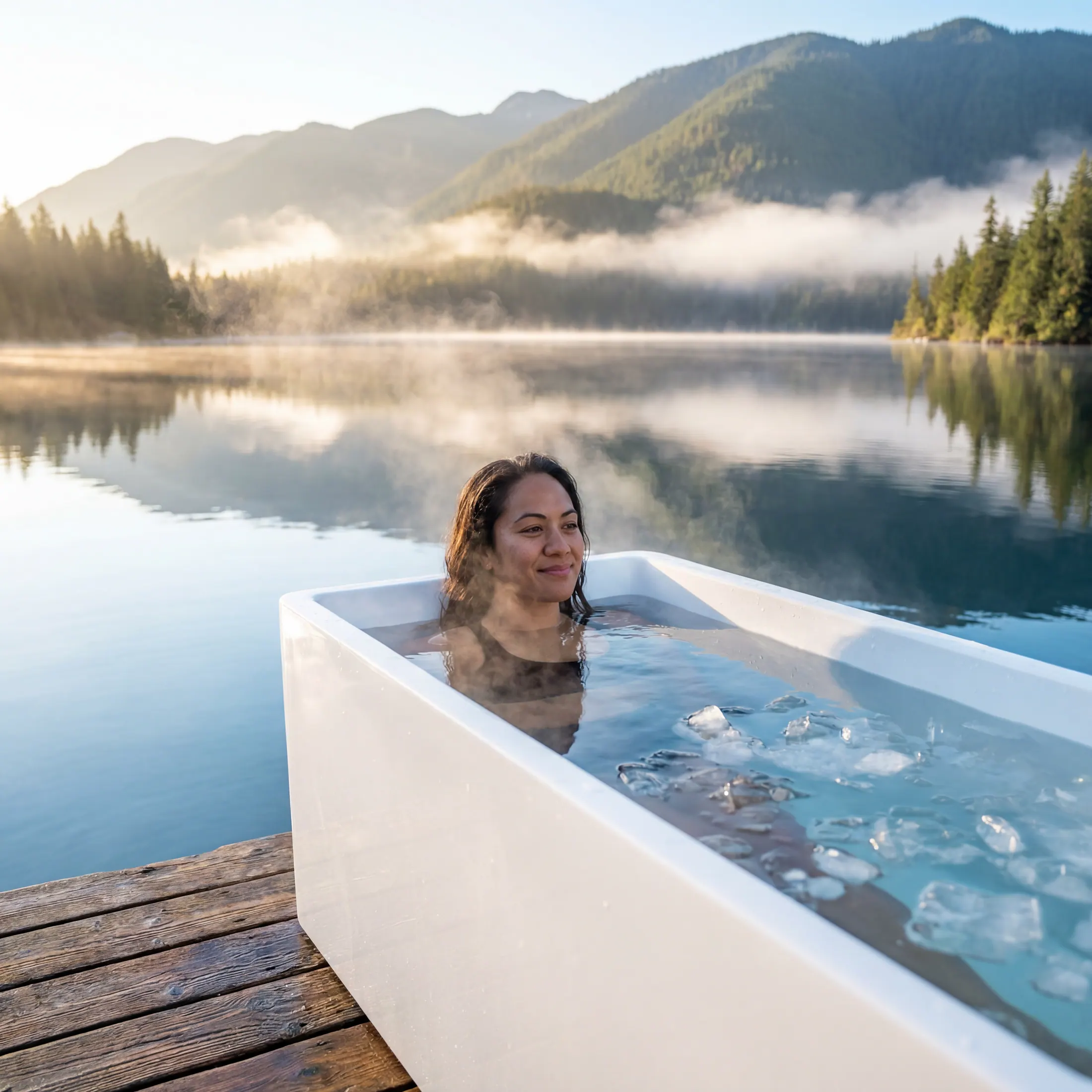
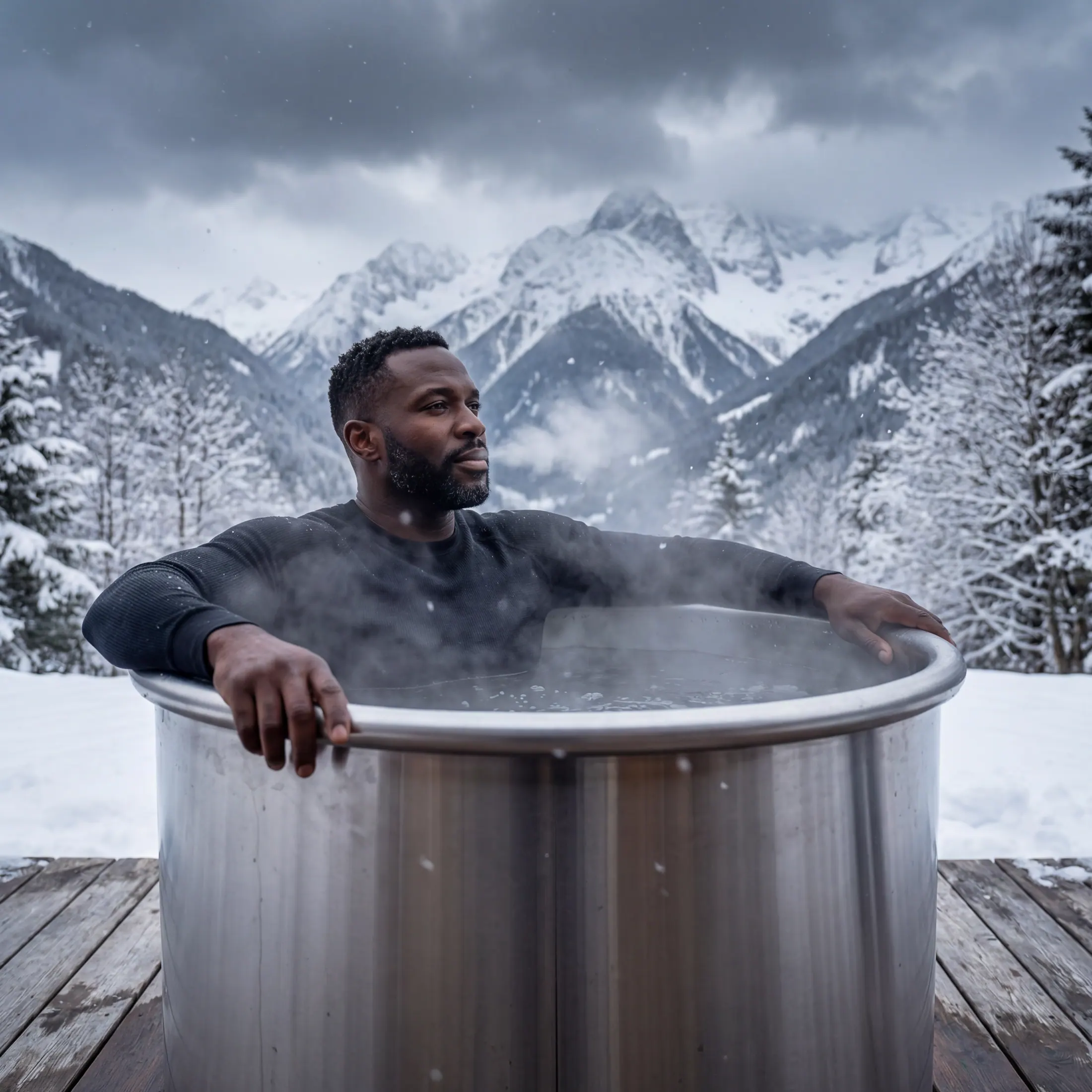
How Ice Baths Activate Brown Fat
During cold exposure, the body releases noradrenaline, which directly stimulates brown fat cells to start producing heat. A study published in Cell Metabolism showed that people exposed to 17°C daily for 6 weeks increased their brown fat mass by up to 40%.
More brown fat = better ability to stay warm in cold = more calories burned at rest.
Practical Tips to Activate Brown Fat
-
Start at 10–15°C – no need for ice cold water to activate BAT
-
15–20 minutes is sufficient for good BAT stimulation
-
Consistency matters more than intensity – aim for 3–4 times per week
-
Cool sleeping environment (16–19°C) passively activates BAT overnight
See our guide on the right temperatures for ice baths to find your optimal starting point.
Summary
Brown fat is one of the most exciting areas of cold exposure research. Ice baths activate BAT in a measurable way and can contribute to better weight management over time – but are best viewed as a long-term tool rather than a quick fix.